
Want to know more about Young Carers?
Although young carers are present in families all over the world, awareness varies widely internationally. The Young Carers Conference aims at increasing awareness and support for them. This site will tell you more about what a young carer is and what makes their life special.


Understanding Young Carers
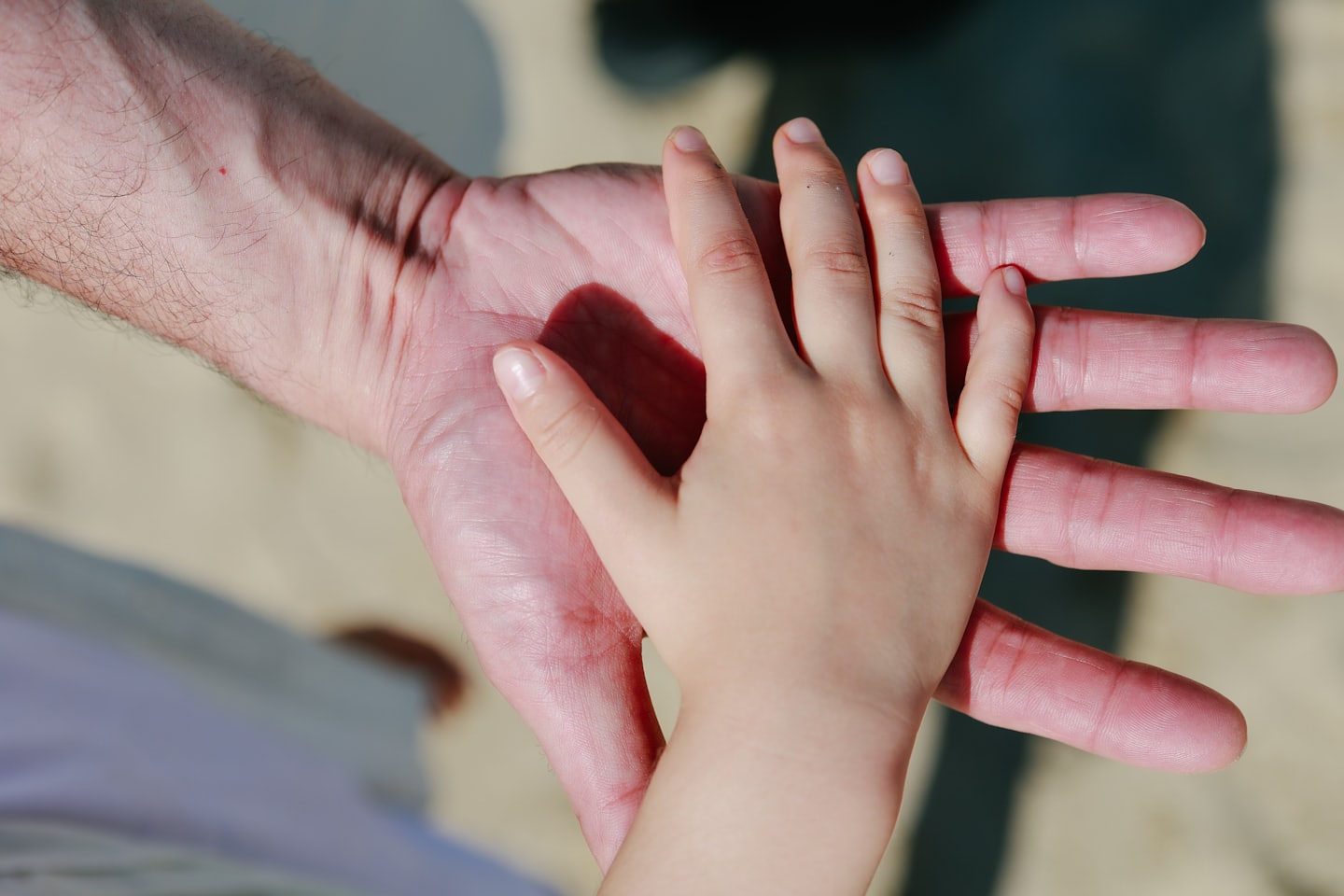
Young carers are children and young people who provide regular care, support, or assistance to a family member or close relative who has a chronic illness, disability, mental health condition, addiction, or age-related care needs. Their responsibilities often go far beyond what is typically expected for their age and may include practical tasks, emotional support, household management, or caring for siblings.
There is no single experience of being a young carer. Young carers live in very different family, social, cultural, and economic contexts. Some provide a few hours of support each week, while others take on intensive caring responsibilities over long periods of time. Their experiences are shaped by factors such as age, gender, migration background, family structure, access to services, and the nature of the health condition in the family.
Caring responsibilities can have both challenging and strengthening effects. While many young carers develop resilience, empathy, and practical skills, caring can also impact education, physical and mental health, social participation, and future opportunities—especially when adequate support is lacking.
Awareness across countries
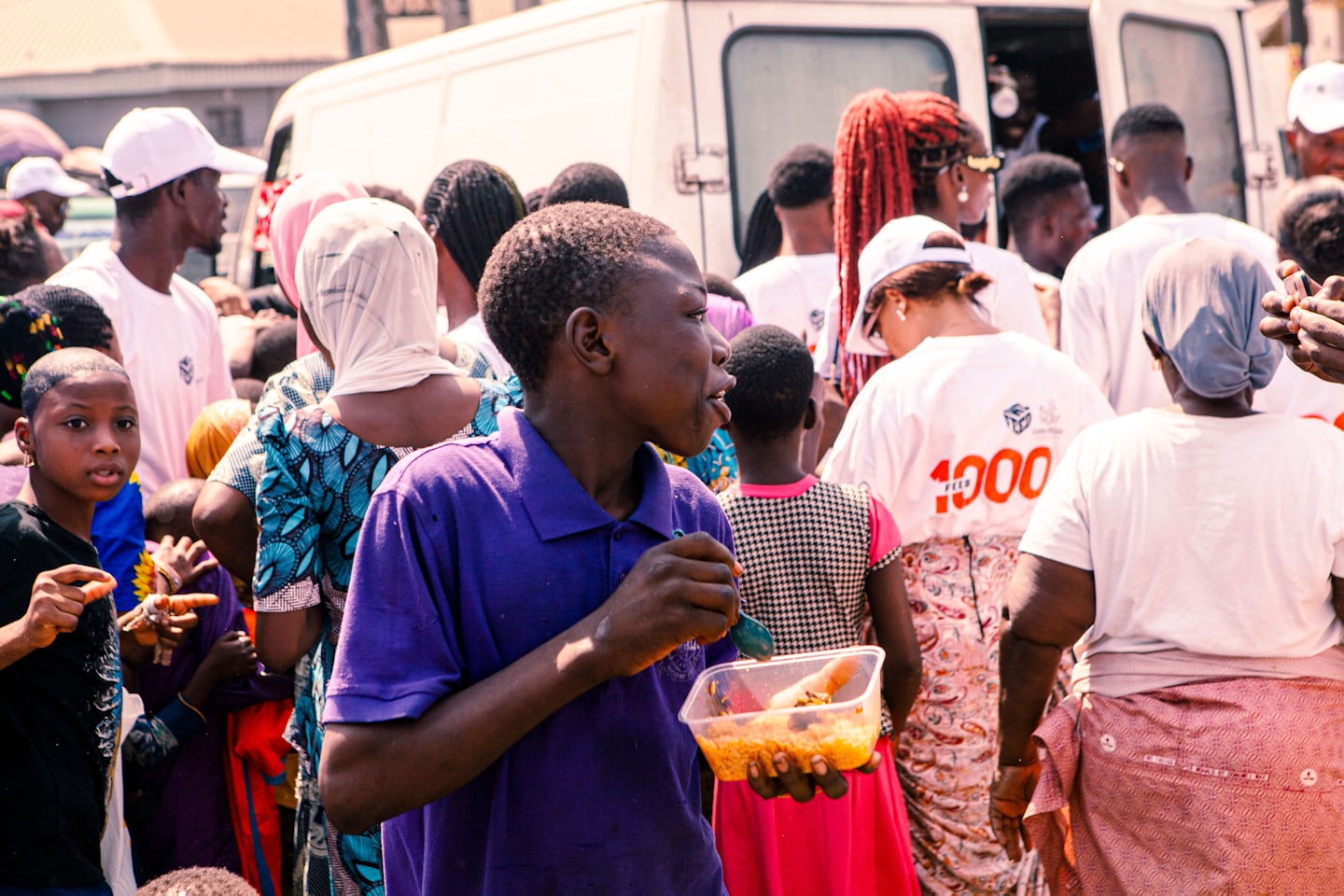
Levels of public awareness, recognition, and support for young carers differ significantly between countries. In some regions, young carers are explicitly recognized in policy frameworks and supported through dedicated services, school-based approaches, and legal protections. In others, support is fragmented or largely absent, and caring by children is seen as a private family matter rather than a social responsibility.
International exchange and research show that early identification, whole-family approaches, and coordinated support systems can make a substantial difference in young carers’ lives. Sharing knowledge about effective models, policies, and practices across countries is therefore essential to improving recognition and support worldwide.